

Native American and Alaska Native Cultures
Welcome to Wonoti
Wonoti (wa^naw^tee) | Maidu (verb): “to foster growth”
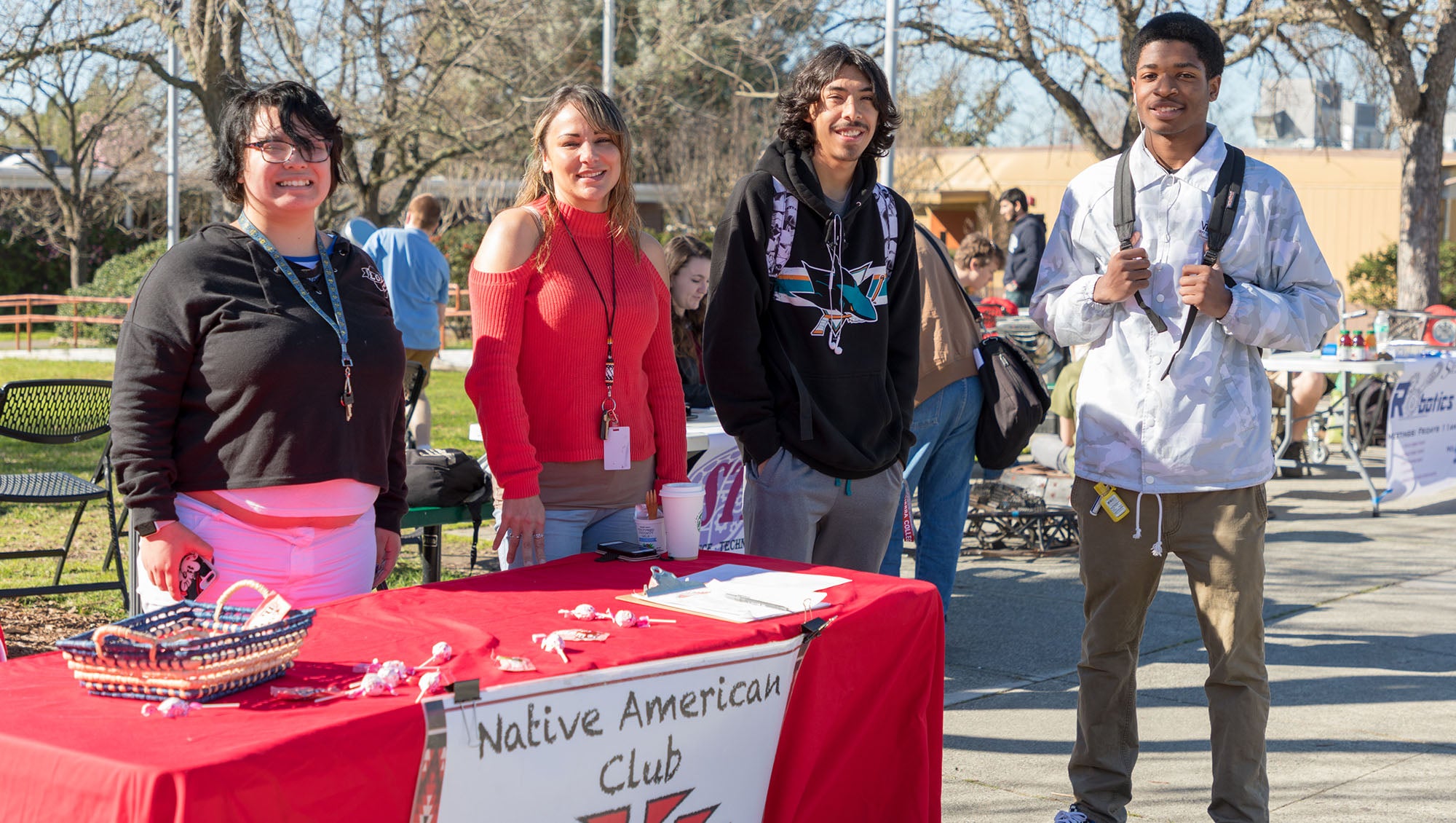
The Wonoti Program is Sierra College’s Native American and Alaska Native student success program and is part of the college’s CommUnity programs. Rooted in the Southern Maidu concept of fostering growth, Wonoti provides a welcoming community where students can strengthen their academic journey while honoring their cultures, identities, traditions, and lived experiences.
Wonoti is dedicated to creating a sense of belonging through academic support, cultural engagement, leadership development, mentorship, and meaningful community connections. Whether you are beginning your college journey, working toward transfer, or preparing for a career, Wonoti is here to support your personal, academic, and professional success.
All students who are interested in Wonoti courses are eligible to enroll and participate.
Our Mission
Our mission is to support and advocate for Native American and Alaska Native students by fostering academic success through community building, traditional practices, outreach, resources, leadership development, and educational opportunities.
By creating meaningful relationships and strengthening our network of Native mentors, we honor the wisdom and resilience of our ancestors while empowering future generations to achieve success, lead with purpose, and uplift their communities.
What Wonoti Offers
Academic Success
- Individualized academic counseling and educational planning
- Peer mentoring and tutoring
- Academic success workshops
- Transfer planning and university preparation
- Scholarship and financial resource assistance
- Career exploration and educational planning
Community and Culture
- A welcoming community of Native students, faculty, staff, and allies
- Cultural workshops and traditional learning opportunities
- Community-building events and gatherings
- Native language and cultural presentations
- Connections with Tribal communities and Native organizations
- Support from the Tribal Liaison and Native mentors
Leadership and Exploration
- Leadership development opportunities
- University visits and educational field trips
- Participation in cultural conferences, Powwows and Big Times
- Community service and civic engagement opportunities
- Student leadership and peer mentor opportunities
Why Participate in Wonoti?
Wonoti provides more than academic support—it offers a community where students are encouraged to grow academically, culturally, personally, and professionally.
Students who participate in Wonoti can:
- Build meaningful relationships with Native students, faculty, staff, Tribal leaders and community members.
- Develop leadership skills while giving back to their communities.
- Celebrate and strengthen their cultural identities.
- Connect with resources that support educational success.
- Explore transfer and career opportunities through university visits and educational experiences.
- Become part of a supportive network that celebrates Indigenous knowledge, traditions and community.
Native American Student Support and Success Program (NASSSP)
Supporting Wonoti Through State Funding
NASSSP is a grant funded by the California Community Colleges Chancellor’s Office. At Sierra College, NASSSP provides the funding that supports the Wonoti Program and the services offered to Native American and Alaska Native students.
The goals of the NASSSP grant are to:
- Strengthen educational pathways from K–12 through community college and transfer to four-year universities.
- Increase the educational success of Native American students.
- Develop Native student leaders.
- Expand Native mentorship opportunities and empower future generations.
Simply put:
- Wonoti is Sierra College’s Native American and Alaska Native student success program.
- NASSSP is the California Community Colleges grant that funds and supports the Wonoti program.
Where Are We: Our Land Acknowledgments
Rocklin Campus
With respect, we acknowledge the Rocklin Campus of Sierra College as the traditional and unceded land of the Nisenan and Miwok peoples. The Secret Ravine, known in Nisenan as Hoyok, is home to an ancestral village site protected for generations by local tribal nations and their members. Sierra College commits to an ongoing relationship with the United Auburn Indian Community and other local tribes, and to respect the legacy of the first peoples of this land and their future generations who are an integral part of the Sierra College community.
Nevada County Campus
With respect, we acknowledge the Nevada County Campus of Sierra College as the traditional and unceded homelands of the Nisenan peoples. For countless generations, the Nisenan have carried out their responsibility as stewards of this place originally known as Daspah. Sierra College commits to an ongoing relationship with the Nevada City Rancheria Nisenan Tribe and their future generations who are an integral part of the Sierra College community.
Tahoe-Truckee Campus
With respect, we acknowledge the Tahoe-Truckee Campus of Sierra College as the traditional and unceded land of the Wasiiw peoples. Before there was a town of Truckee the Wasiiw called the place “k′ubüna detdéyi” and the river is called “Awaku wata.” The tribe is still connected to place and maintains active involvement with the Town of Truckee and the surrounding landscapes. Sierra College commits to an ongoing relationship with the Washoe Tribe of Nevada California and other local tribes, and to respect the legacy of the first peoples of this land and their future generations who are an integral part of the Sierra College community.

Community Collaboration
The Wonoti Program honors this commitment by working collaboratively with the United Auburn Indian Community and neighboring tribal nations to support Native students while respecting the cultural traditions, histories and stewardship of these ancestral lands.
“In the past, Nisenan lived in towns made up of extended family groups of different sizes and led by a Huk (Headman) or Mayan (Headwoman). Like many other Tribes throughout the United States, the Nisenan have been misidentified and mislabeled. The Nisenan have been lumped together under inaccurate labels such as “Maidu”, “digger” and “southern Maidu”. However, the Nisenan are a separate Tribe with their own Cultural lifeways, their own leaders and holy people, a distinct geographic territory and their own ancient and unique language.” (huswej.org/)
Commitment to Community



Contact Us
Wonoti Program
Building LR, Room 446 (CommUnity Center)
Text/SMS: (916) 660-7578
Visit us on Instagram: @wonoti_sierracollege
CommUnity Center
Building LR, Room 446
Text/SMS: (916) 660-7578